
Dale Larkin

Dale Larkin stood in the driveway with the hose draped over his forearm like a tired rope. He was thirty-eight and built narrow through the hips, the kind of man who looked as if he’d once been quick but had traded that for steadiness. His hair had begun to thin in a clean strip along the crown. He wore the same faded work shirt he’d worn all week, blue, with a stitched name tag that said DALE, and his jeans held the pale dust of the yard.
He kept turning the brass coupling in his fingers, tightening it, then backing it off, as if the threads might change their mind.
Marianne sat in the driver’s seat of the Civic with the door shut, window halfway down. She had pulled her hair back in a rough knot that made her face look sharper than it usually did. At thirty-six, she still had a pretty mouth, but today it had set into a line that made you think of keeping receipts. She wore a black tank top and a light cardigan. One hand rested on the wheel, the other on the key.
The engine was off. Everything in the car looked ready to be immediate.
“You’re not hearing me,” she said.
Dale stared at the sprinkler base in the grass beside the driveway, the cheap green plastic with its little metal arm. “I’m right here,” he said.
“That’s not what I mean.”
Her voice had that careful sound she used at the bank on the phone, the sound that pretended to be calm while it moved something heavy from one place to another. She worked at the branch in town, wore nice blouses on weekdays.
Dale worked maintenance for the school board. He could fix jammed doors, leaky toilets, and the furnace that stopped working in January. He could lift a radiator by himself if he had to. What he couldn’t do was look up when he was accused. He watched his hands instead, like they belonged to someone he’d been hired to supervise.
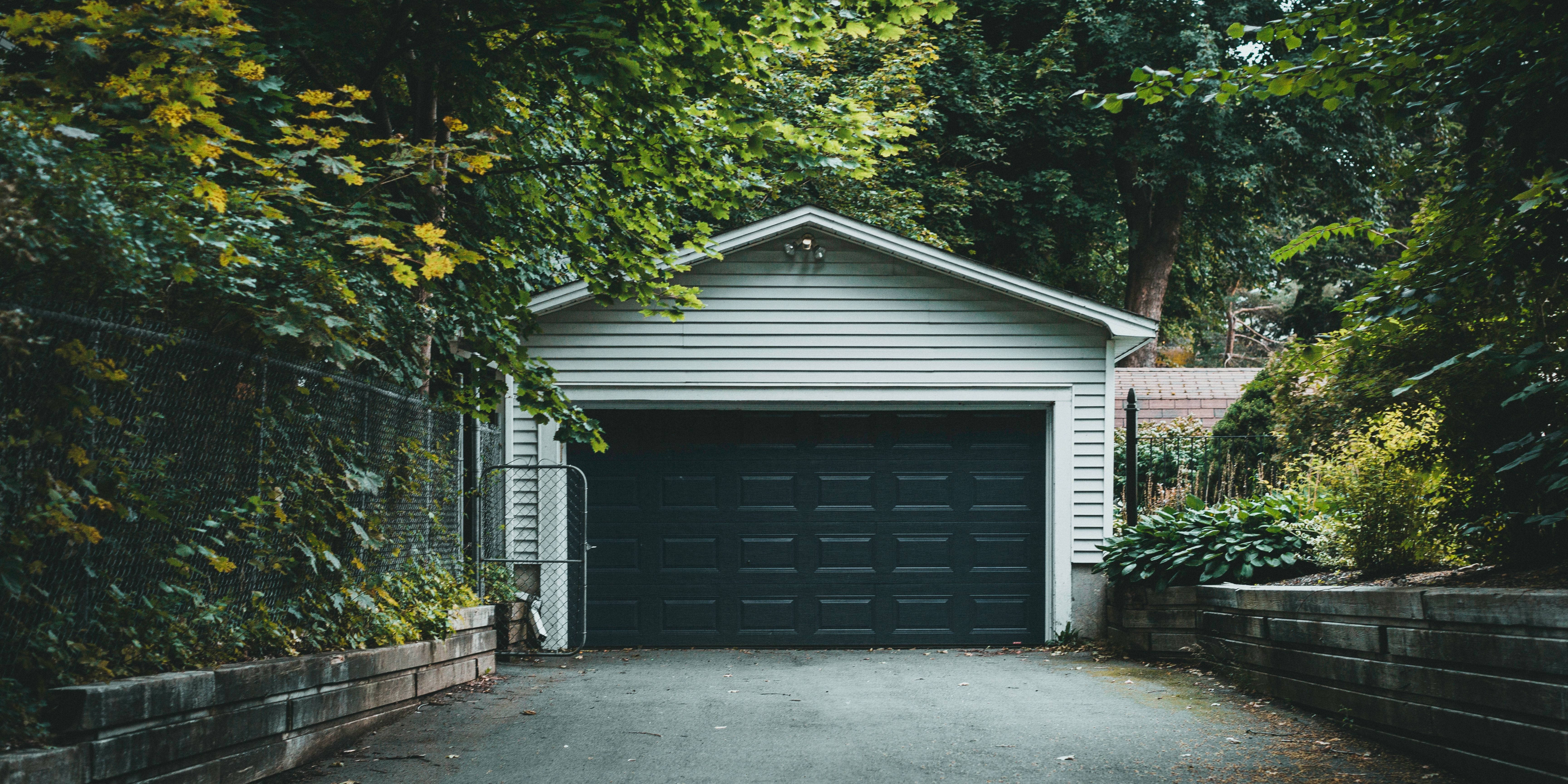
Behind them, in the open mouth of the garage, their son Noah drifted among the stored things: lawn chairs, a stack of paint cans, two bicycles with flat tires, and a workbench that once belonged to Dale’s father. Noah was eleven and tall for his age, long-limbed, with hair that fell into his eyes no matter how many times Marianne trimmed it. He wore soccer shorts and an old camp T-shirt that had gone soft. His face had that half-set look boys get when they’re deciding whether the day will hurt them.
He didn’t look at his parents. He looked at the shelves.
He picked up a Phillips screwdriver and spun it between his fingers, then set it down in a coffee tin full of mismatched screws. He moved a roll of duct tape from one side of the bench to the other. He nudged a tennis ball with his toe and stopped it under the bench again.
Marianne said, “This isn’t about the gas bill. Don’t make it about the gas bill.”
Dale cleared his throat. He could feel the heat rising off the driveway in waves. The summer had been dry, and the grass had given up in patches, going thin and yellow near the fence. He put the sprinkler out.
“I didn’t say it was about the gas bill,” he said.
“You started with the gas bill. You always start with something small so you don’t have to say the real thing.”
He tightened the hose coupling again, then loosened it. The brass looked dull, dulled by time and hard water and his own palms.
“What do you want me to say?” he asked.
Marianne leaned forward, her shoulders rising. “I want you to stop acting like I’m imagining it. Like I’m inventing how it feels to live here.”
Noah picked up a pair of gardening gloves from a hook and put them on. They were too big. The fingers drooped past his own. He made a fist. The glove creased and didn’t quite follow. He pulled them off and set them back, straighter than before, with the cuffs aligned.
Dale said, “We live fine.”
Marianne gave a small laugh that wasn’t happy. “We exist. That’s not the same.”
He finally looked up at her. Her eyes were red at the rims, not from crying exactly, but from holding it in place. Dale had always loved her eyes, the way they went dark when she was thinking. Today, they looked tired. They looked like someone had been asking them questions all day.
“I’m doing everything I can,” he said.
“That’s the line,” Marianne said. “That’s the line you use when you don’t want to talk anymore.”
Dale shifted his weight. His work boots creaked on the concrete. “I’ve got to get the lawn watered,” he said, and heard himself and hated it.
Noah opened a drawer in the bench where old batteries lived. He ran his finger over the labels—AA, AAA, D—then shut it. He took a length of string from a nail and began winding it around his hand, careful, slow, then unwound it and hung it back in the same place.
Marianne watched Dale like she was taking a measurement. “You’d rather do that,” she said, nodding toward the sprinkler, “than say you’re scared.”
Dale’s face tightened. “I’m not scared.”
“You are,” she said. “You’re scared of being wrong. You’re scared of needing something.”
Noah froze, one hand on the bench, the other hanging by his side. He didn’t turn, but he heard it. The words landed in the garage like a dropped tool, sharp, loud, impossible to ignore.
Dale said, “Don’t do this in front of him.”
Marianne’s mouth softened for a second, and Dale thought maybe she would stop. But then she said, “He’s been in front of it for years.”
Noah moved again. He went to the garage door opener on the wall and lifted his hand toward the button, then let it hover there. His fingertips touched the plastic lightly, as if it might burn.
Dale took a step toward the car. “Marianne—”
“I can’t keep telling you what it costs me,” she said. Her hand closed around the key. “I can’t keep translating myself.”
Dale opened his mouth, and his face worked like he was trying to pull a word out of a place it didn’t want to come from. “Just—” he said.
The engine started.
She backed out while the rest of his sentence was still forming, the tires crunching on the loose gravel at the end of the drive. He stood there with the hose slack in his hand, watching the car turn onto the street. The sun flashed once off the rear window, and then it was gone.
For a moment, the only sound was the sprinkler head clicking in the grass, waiting for water that hadn’t come yet.
Dale looked down. He knelt, set the sprinkler spike deeper, and threaded the hose on properly this time. He turned the spigot. Water surged through the line with a quick shudder, then began its steady sweep across the yard, laying a faint darkness over the thirsty grass.
In the garage, Noah pressed the button. The door began to roll down, slow and even, the daylight narrowing to a strip. Dale didn’t turn around. He stood with his hands on his knees, watching the sprinkler arc its thin bright line over the lawn as if it were the only thing that could still follow instructions.
The garage door met the concrete with a soft thud.
Noah stood in the dim behind it, quiet as stored tools, and listened to the water working outside.